
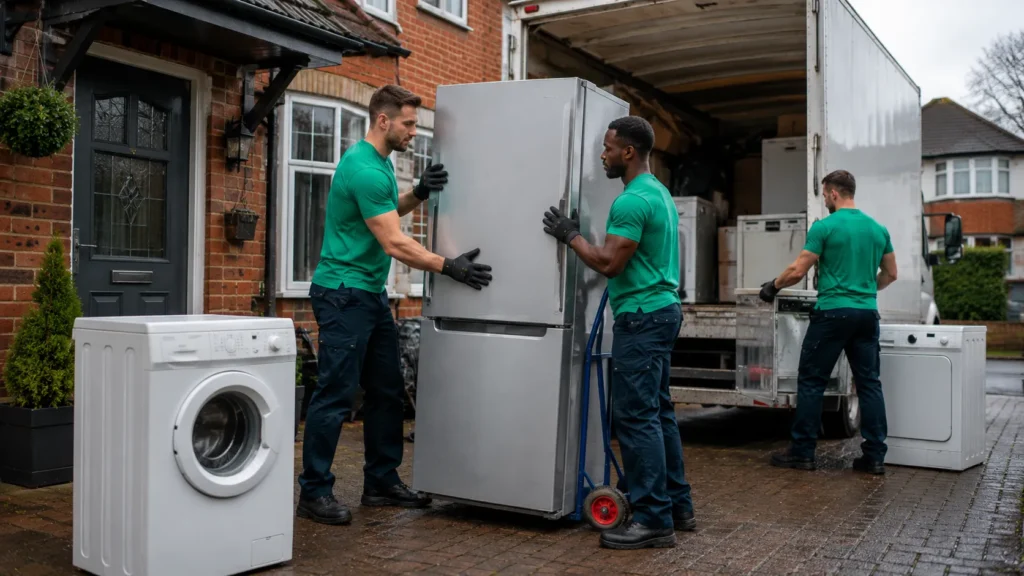
Replacing a broken fridge, freezer, washing machine, cooker or dishwasher can be stressful, especially when the old appliance is still sitting in the kitchen, hallway or garage. For households in Enfield and surrounding North London areas, white goods disposal is not as simple as leaving the item beside the bins or hoping the council will collect it quickly.
Large electrical appliances are regulated waste. That means they must be removed, transported and recycled correctly. If an appliance is dumped illegally after being taken by an unlicensed collector, the original owner can still be held responsible. This is why choosing the right disposal option matters for safety, convenience and legal peace of mind.
For residents who want a faster and safer option, booking a licensed Rubbish Removal Enfield service can help remove bulky appliances from inside the property, handle the heavy lifting, and ensure the waste is taken to an authorised recycling facility.
What Counts as White Goods?
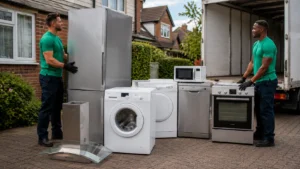
White goods are large household appliances, usually found in kitchens, utility rooms and laundry areas. They are often heavy, difficult to move and contain electrical components, metals, plastics and sometimes hazardous substances.
Common white goods include:
| Type of White Goods | Examples |
| Cooling appliances | Fridges, freezers, fridge-freezers |
| Laundry appliances | Washing machines, tumble dryers |
| Kitchen appliances | Cookers, ovens, dishwashers |
| Large electrical appliances | Old microwaves, commercial kitchen units, extractor units |
Fridges and freezers need extra care because older models may contain refrigerant gases, while even newer units still need proper handling before the metal and plastic parts can be recycled.
Why White Goods Disposal Is Regulated?
White goods fall under WEEE regulations, which stands for Waste Electrical and Electronic Equipment. These rules are designed to stop electrical waste from going into ordinary landfill and to make sure reusable materials are recovered safely.
Electrical appliances can contain metals, gases, oils, wiring, insulation foam and plastic parts. If handled badly, they can damage the environment and create safety risks. Fridges and freezers are especially controlled because refrigerant gases must be removed by trained professionals before recycling begins.
This is why old appliances should only be collected by a licensed waste carrier. A registered collector should take the item to an authorised recycling or waste transfer facility, where it can be processed properly.
Why You Should Avoid Unlicensed Waste Collectors?
A cheap “man with a van” may seem like an easy solution when a broken washing machine or fridge is blocking space at home. However, if that person is not licensed and the appliance is later fly-tipped, the responsibility can come back to the householder.
This is one of the biggest risks with white goods removal. Paying someone to take waste away does not automatically remove your legal responsibility. You should always make sure the collector is properly registered and can provide proof that the waste has been transferred legally.
A professional clearance company should be able to provide a Waste Transfer Note. This document confirms that your appliance has been removed by a licensed operator and sent for correct disposal or recycling.
Council Collection vs Professional White Goods Removal
In Enfield, residents usually have two main choices for appliance disposal: booking a council electrical collection or hiring a professional rubbish removal company. Both options can work, but they suit different situations.
| Option | Best For | Main Limitation |
| Council collection | Planned disposal where time is not urgent | You may need to wait and place the item outside yourself |
| Professional removal | Fast collection, heavy lifting and indoor removal | Usually costs more than basic council collection |
| Retailer take-back | Replacing an appliance with a new one | Only available when buying from selected retailers |
Enfield Council’s electrical collection service can be useful if you are not in a hurry and can move the item to the required collection point. However, council collections often come with booking deadlines and fixed collection rules. According to the supplied information, electrical items are not included under the free non-electrical bulky waste scheme, and charges may apply depending on the number of items booked.
The practical issue is not only the cost. It is also the preparation. Heavy appliances usually need to be placed at the front edge of the property boundary early in the morning. For many people, that is the hardest part of the job.
Why Moving White Goods Yourself Can Be Risky?
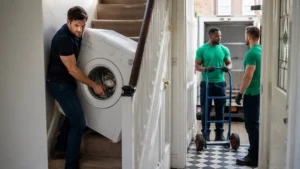
A washing machine can weigh around 65–80 kg, while a large American-style fridge-freezer may weigh more than 100 kg. Moving that kind of appliance through a narrow hallway, down stairs or across a front garden is not easy.
The risk becomes even greater in upper-floor flats, terraced houses and properties with tight entrances. One wrong movement can damage flooring, scratch walls or cause injury. Old appliances may also leak water if they have not been drained or defrosted properly.
For homes in areas such as Enfield Town, Palmers Green, Edmonton, Southgate or nearby North London postcodes, professional collectors can be a more practical option because they remove the item directly from inside the property.
When Professional White Goods Removal Makes More Sense?
Professional white goods removal is often the better choice when speed and convenience matter. For example, if a new fridge has arrived and the delivery team refuses to take the old one, waiting a week or more for a scheduled collection can leave you with a bulky appliance blocking valuable space.
A local Rubbish Removal Enfield team can usually remove the item from where it is, whether it is in a kitchen, utility room, shed, garage or upstairs flat. This removes the need for residents to lift, drag or carry the appliance themselves.
Professional removal also gives more confidence over legal disposal. A reputable company should be WEEE compliant, licensed and able to confirm where the appliance will be taken.
How to Prepare White Goods for Collection?
Even if you hire a professional team, the appliance should be prepared before collection. Waste collectors usually remove and load the item, but they are not normally authorised to disconnect plumbing or electrical fittings.
| Appliance | What To Do Before Collection |
| Fridge or freezer | Empty fully, defrost for 24 hours, remove loose shelves and secure doors |
| Washing machine | Disconnect from power and water, drain remaining water from the filter |
| Dishwasher | Disconnect water supply, remove loose racks and check for trapped water |
| Cooker or oven | Make sure it is safely disconnected before collection |
| Tumble dryer | Empty lint, remove loose parts and unplug from mains power |
The appliance should be unplugged and disconnected from water supplies before the removal team arrives. Fridges and freezers should be defrosted in advance to prevent dirty water leaking across floors during removal. Washing machines should also be drained, as water can remain inside the filter or hose even after the final use.
Loose shelves, trays, drawers and detachable parts should be removed or secured. Taping doors shut can also help prevent them swinging open while the item is being carried through tight spaces.
Can White Goods Be Recycled?
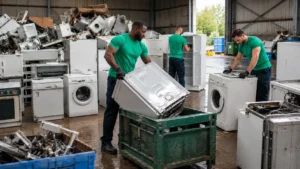
Yes, most white goods can be recycled when taken to the right facility. Metal casing, wiring, plastic panels and certain internal components can often be recovered. Recycling is one of the main reasons WEEE rules exist.
Fridges and freezers need specialist processing because gases and insulation materials must be removed safely. Once hazardous substances are handled, the remaining materials can be separated for recycling.
This makes professional, licensed disposal much better than illegal dumping or sending appliances to unsuitable waste sites. It also helps reduce the amount of electrical waste going to landfill.
Is It Cheaper to Combine White Goods With Other Waste?
If you also have old furniture, renovation waste, garden waste or general household junk to clear, it can be more cost-effective to book everything together. A single medium or large load collection is often better value than arranging separate pickups for each item.
This is especially useful during house clearances, kitchen renovations, end-of-tenancy cleanouts or garage clearances. Instead of arranging one collection for a fridge, another for a sofa and another for bags of junk, a professional clearance team can remove everything in one visit, subject to waste type and licensing rules.
What to Check Before Booking a White Goods Collection?
Before booking any appliance removal service, check that the company is licensed to carry waste. Ask whether they handle WEEE items and whether they can provide a Waste Transfer Note. It is also worth confirming whether the team will remove the appliance from inside the property or whether it must be placed outside first.
A good collection service should be clear about pricing, access requirements and what preparation is needed. If the item is upstairs, extremely heavy or difficult to access, mention this before booking so the team arrives properly prepared.
Conclusion
White goods removal in Enfield should be handled carefully because old appliances are heavy, regulated and often difficult to move safely. Council collection can work for planned disposal, but it may involve waiting, booking deadlines and moving the appliance to the property boundary yourself.
For many households, a licensed professional clearance service is faster and easier. It removes the heavy lifting, supports WEEE-compliant recycling and gives legal peace of mind through proper waste documentation. Whether clearing a single fridge or several bulky items, the safest option is always to use a registered waste carrier and prepare the appliance properly before collection.